Why LED Explosion-Proof Lights are Essential for Oil Refineries

TL;DR (Direct Answer);
Oil refineries are high-risk hazardous areas where flammable vapors, heat, vibration, corrosion, and strict permit-to-work rules make lighting reliability a safety issue—not a convenience. LED explosion-proof lights reduce ignition risk (aligned with IEC 60079 selection principles), cut maintenance interventions, and improve visibility for night rounds and emergency response. For most refinery use cases, the correct approach is: confirm area classification → match compliance requirement (IEC 60079 / 3C where applicable) → pick optics & mounting → verify corrosion/IP/thermal needs → shortlist suitable models.
For the full selection workflow, start with the pillar guide:
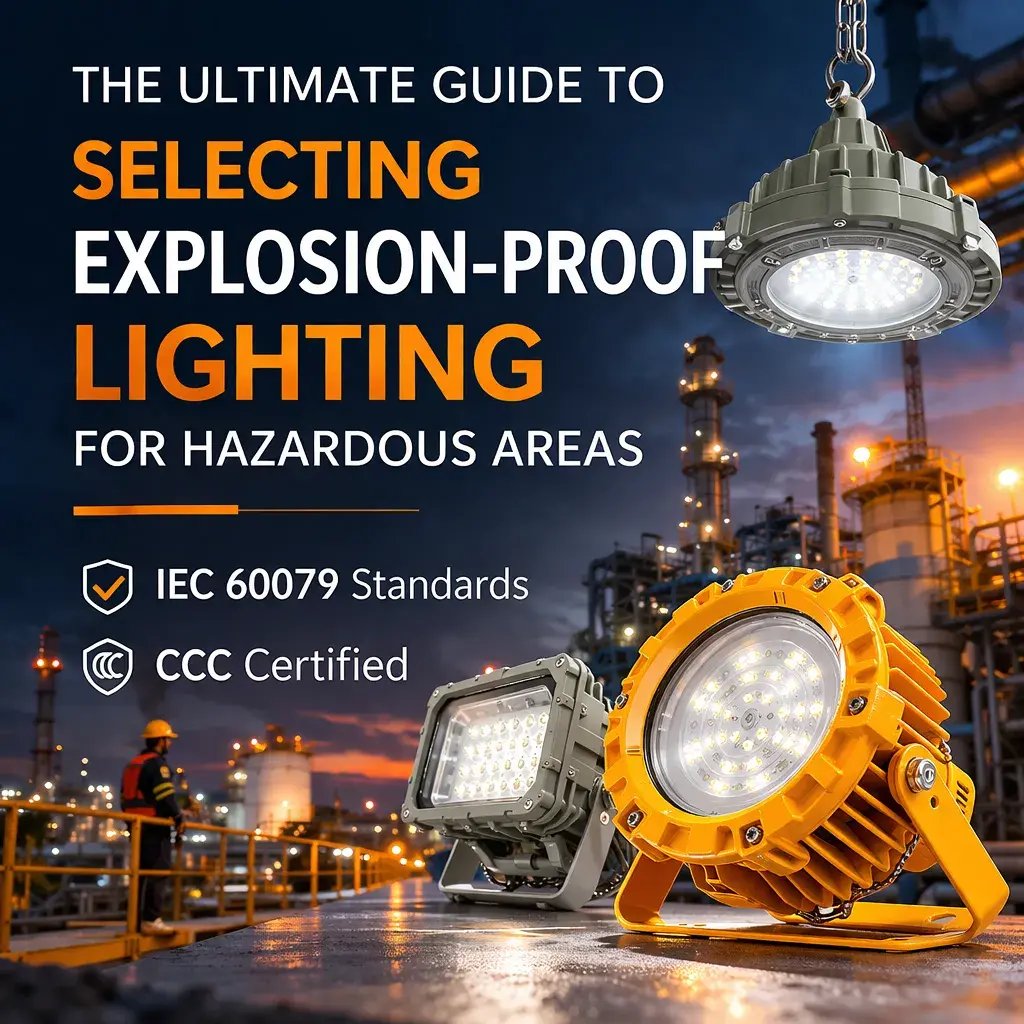
→ The Ultimate Guide to Selecting Explosion-Proof Lighting for Hazardous Areas
If you’re looking for product options, begin at the category page:
→ Explosion-Proof Lighting
If you’ve worked in an oil refinery long enough, you’ve seen the same failure pattern repeat: a “good enough” lighting decision turns into a shutdown, an emergency work order at 2 a.m., or a near-miss nobody wants to document.
Refineries are not normal industrial sites. They are living, breathing hazardous areas—full of flammable gases and vapors, corrosive atmospheres, heat, vibration, and constant operational pressure. In this environment, LED explosion-proof lighting is not an upgrade. It’s a reliability and safety requirement.
When I reference a solution provider, I’ll use Ex-ZS as an example brand with multiple hazardous-area lighting models.
Oil Refineries Are High-Risk Hazardous Areas (What Makes Them Different);
Refineries combine multiple hazards in one place:
-
Flammable gases/vapors around process units, pumps, manifolds, and loading areas.
-
Hydrocarbon mist and dust that infiltrates fittings and “ordinary” luminaires over time.
-
Corrosive atmospheres (salt air in coastal plants, chemical washdown, sour gas environments).
-
Heat and vibration near rotating equipment, compressors, and pipe racks.
-
Maintenance constraints: access permits, isolation procedures, scaffolding, safety watch—every lamp replacement can become a small project.
The painful truth: in refineries, the cost is rarely “the light fixture.” The cost is downtime, permits, manpower, and risk exposure.
What “LED Explosion-Proof” Really Means (IEC 60079 + 3C, in Practical Terms);
A refinery-appropriate explosion-proof luminaire must do more than “turn on.”
Under the hazardous-area principles and selection logic in IEC 60079, the luminaire must be designed so it will not ignite the surrounding explosive atmosphere, even under fault conditions, while controlling surface temperature and preventing ignition sources.
That’s why refinery projects often require you to confirm:
-
Compliance basis aligned with IEC 60079
-
Surface temperature control (critical in hydrocarbon atmospheres)
-
Long-term sealing performance (IP + gasket + cable entry integrity)
-
Mechanical robustness (impact/vibration)
-
And, in China-related project scopes, whether 3C (CCC) compliance is required
If you want the complete step-by-step selection method (Zones, temperature class, mounting, cable entries, environment), use the pillar guide:
The Painful Scenarios That Push Refineries Toward LED Explosion-Proof Lighting;
These are the field problems that quietly drain budgets and increase risk:
1) “We’ll replace it next shutdown”… then the shutdown gets delayed
A conventional lamp fails on a pipe rack at night. Now you’re dealing with:
-
poor visibility for operators during rounds
-
higher incident potential (missed leaks, wrong valve identification, trip hazards)
-
emergency work requests competing with production priorities
2) Maintenance becomes a permit nightmare
A simple replacement can require permits, isolation, scaffolding, and a safety watch. The lamp itself is cheap—the work process isn’t.
3) Dust + heat cycles slowly kill standard fixtures
Even if a fixture looks okay externally, internal sealing degrades:
-
dust ingress leads to driver failures and connector corrosion
-
gaskets harden after repeated heat cycles
-
cable glands loosen under vibration
4) Non-Ex fixtures in hazardous areas become an HSE and compliance liability
Even if nothing happens for months, the risk is cumulative—and audits eventually catch it.
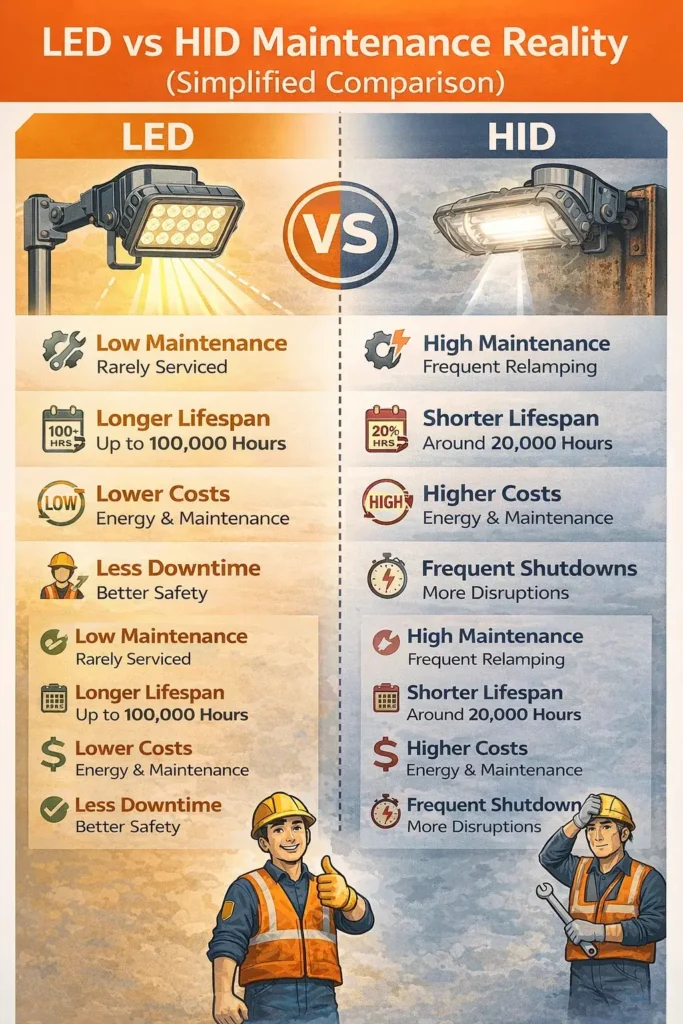
LED Explosion-Proof vs Traditional Lighting: What Actually Matters in Refineries (Comparison Table);
Below is a practical comparison I use when explaining the decision to project teams:
| Factor | LED Explosion-Proof Lighting (Refinery-grade) | HID (Metal Halide / HPS) | Standard Non-Ex Industrial LED |
|---|---|---|---|
| Hazardous-area suitability | Designed/selected per hazardous-area requirements (IEC 60079 principles) | Sometimes available in Ex forms, but older tech constraints remain | Not acceptable for classified hazardous areas |
| Restart behavior | Instant start/restart (useful after power dips) | Warm-up + restrike delay | Instant, but not compliant for hazardous zones |
| Maintenance frequency | Longer service life → fewer interventions | More frequent lamp/ballast work | Can fail early due to sealing/cable entry degradation |
| Heat management | Better efficiency; lower wasted heat compared to HID | Higher heat output; thermal stress | Varies; still not acceptable in hazardous zones |
| Downtime/permit burden | Fewer work orders, fewer permits, less scaffolding | More work orders and intervention cycles | Hidden risk → audits + rework + replacement |
| Total cost in refinery reality | Lower lifecycle cost due to fewer interventions | Higher lifecycle cost | “Cheap now, expensive later” + compliance risk |
Key refinery takeaway: the ROI is not just energy. It’s maintenance avoidance and risk reduction—especially where access is difficult and permits are strict.
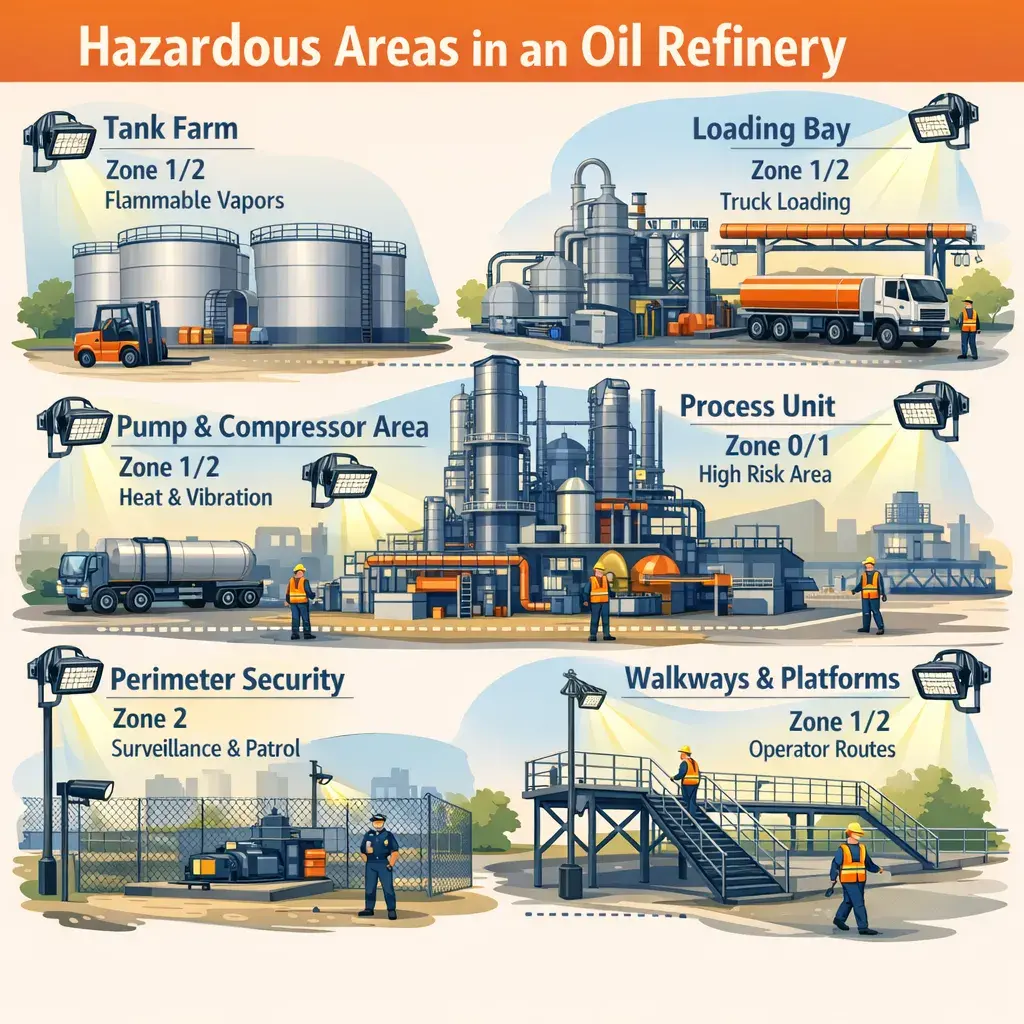
Where Refineries Use Explosion-Proof Lighting (Typical Application Zones);
Common refinery use cases include:
-
Tank farms & loading bays: wide-area coverage, heavy vehicle movement, outdoor exposure
-
Process units: pipe racks, valves, instrument locations, inspection points
-
Pump/compressor areas: vibration, oil mist, heat
-
Platforms & stairs: operator routes where visibility is non-negotiable
-
Perimeter/security areas: stable illumination for surveillance and patrol
To browse solution types quickly, start from:
Don’t Stop at “Explosion-Proof”: Corrosion, Dust, and Weather Decide Lifetime;
Refineries punish weak details. Verify:
-
gasket type + long-term sealing strategy
-
corrosion resistance in coastal or chemical washdown zones
-
vibration tolerance near rotating equipment
-
thermal stability in high ambient temperatures (common in Middle East sites)
Recommended LED Explosion-Proof Lights for Oil Refinery Scenarios;
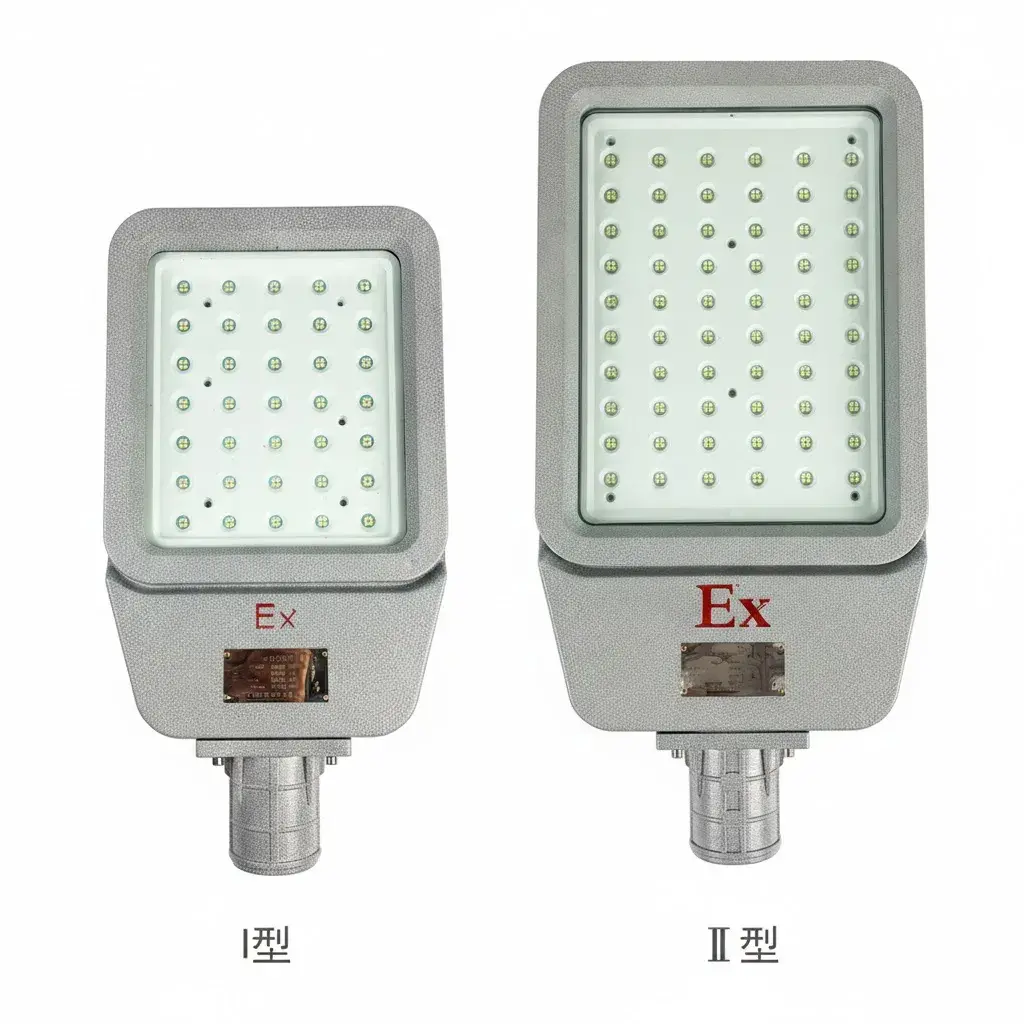
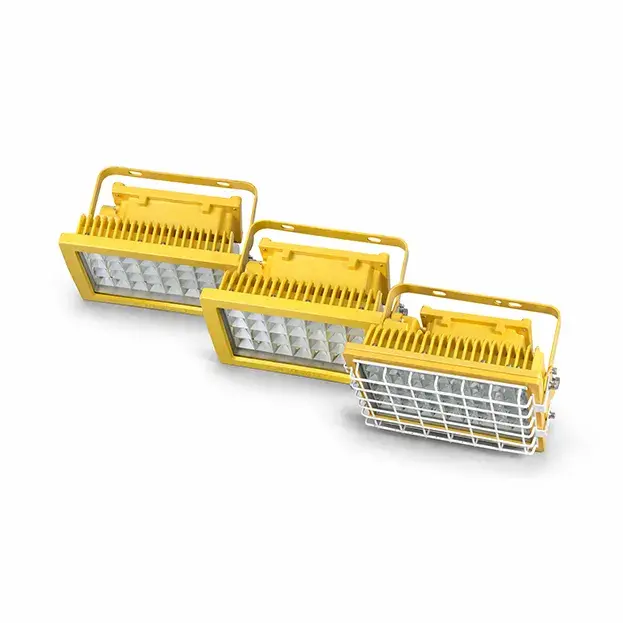
Wide-Area Floodlighting for Tank Farms & Loading Bays
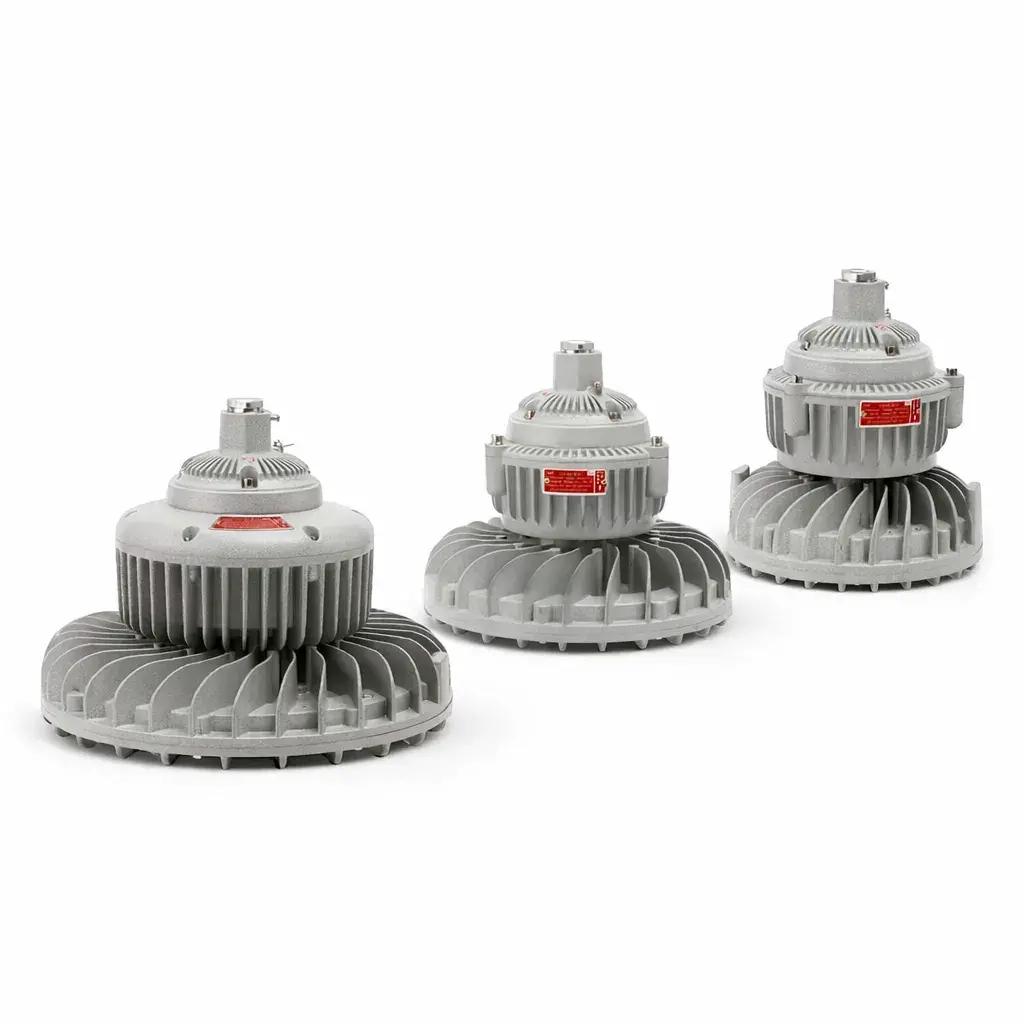
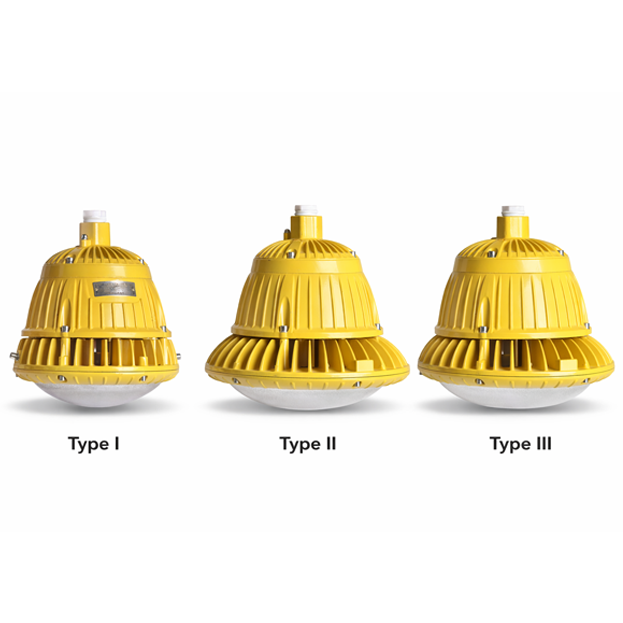
Platforms / Walkways / Process Areas (Balanced Light for Daily Operation)
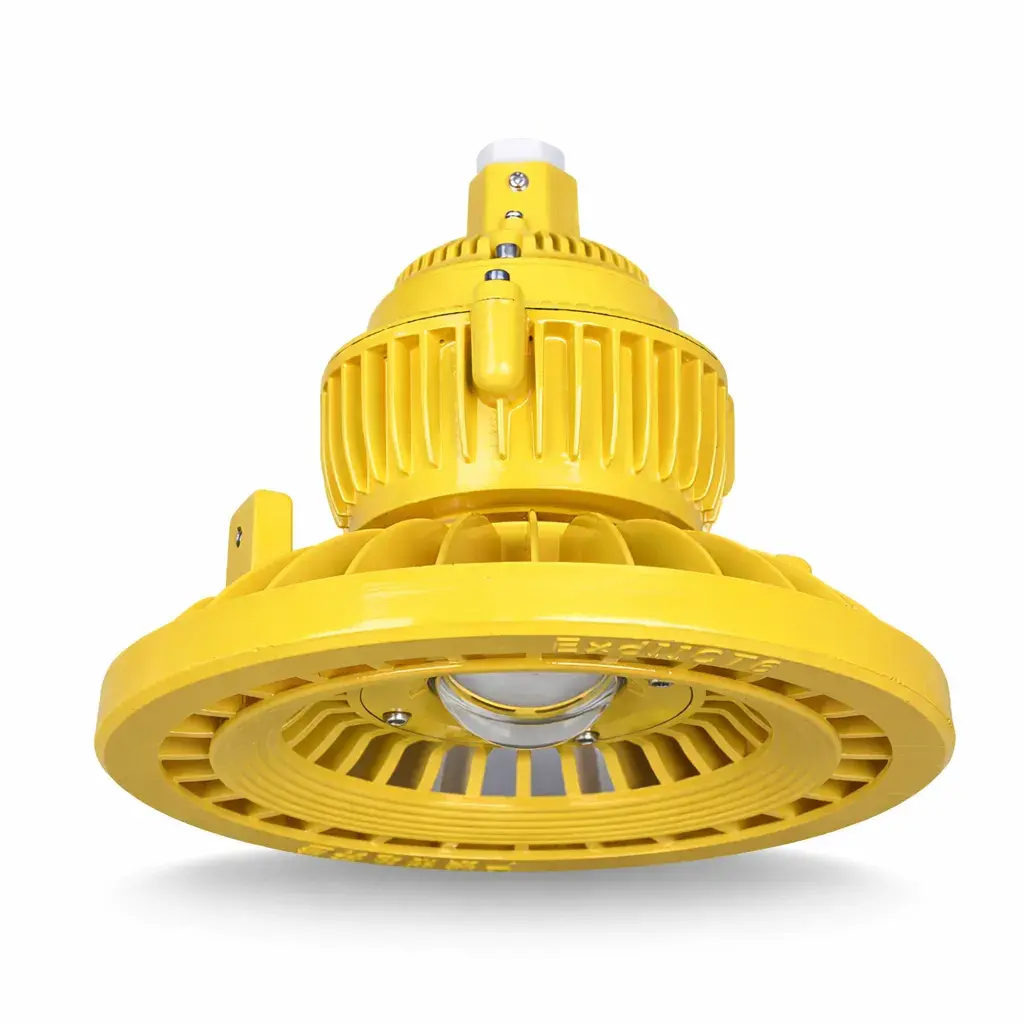
Heavy-Duty Areas with Vibration or Harsh Duty Cycles
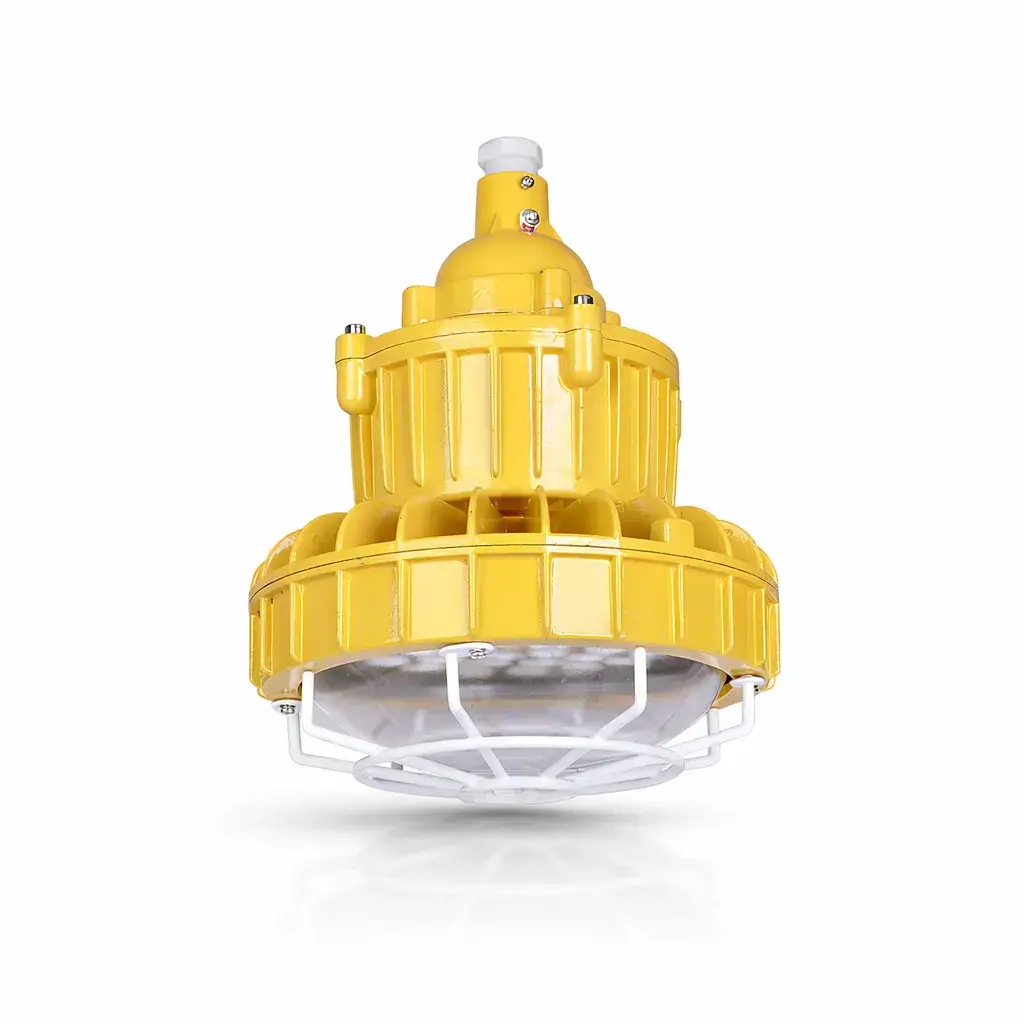
Why refineries prefer heavy duty: replacement in harsh zones is expensive and slow—robustness reduces long-term intervention.
A Simple Buyer Checklist for Refinery Lighting Projects (What to Send for a Quote);
To reduce rework and speed up selection, prepare:
-
Area classification (Zone requirement / project hazardous-area spec)
-
Ambient environment (coastal corrosion, desert dust, washdown, high temperature)
-
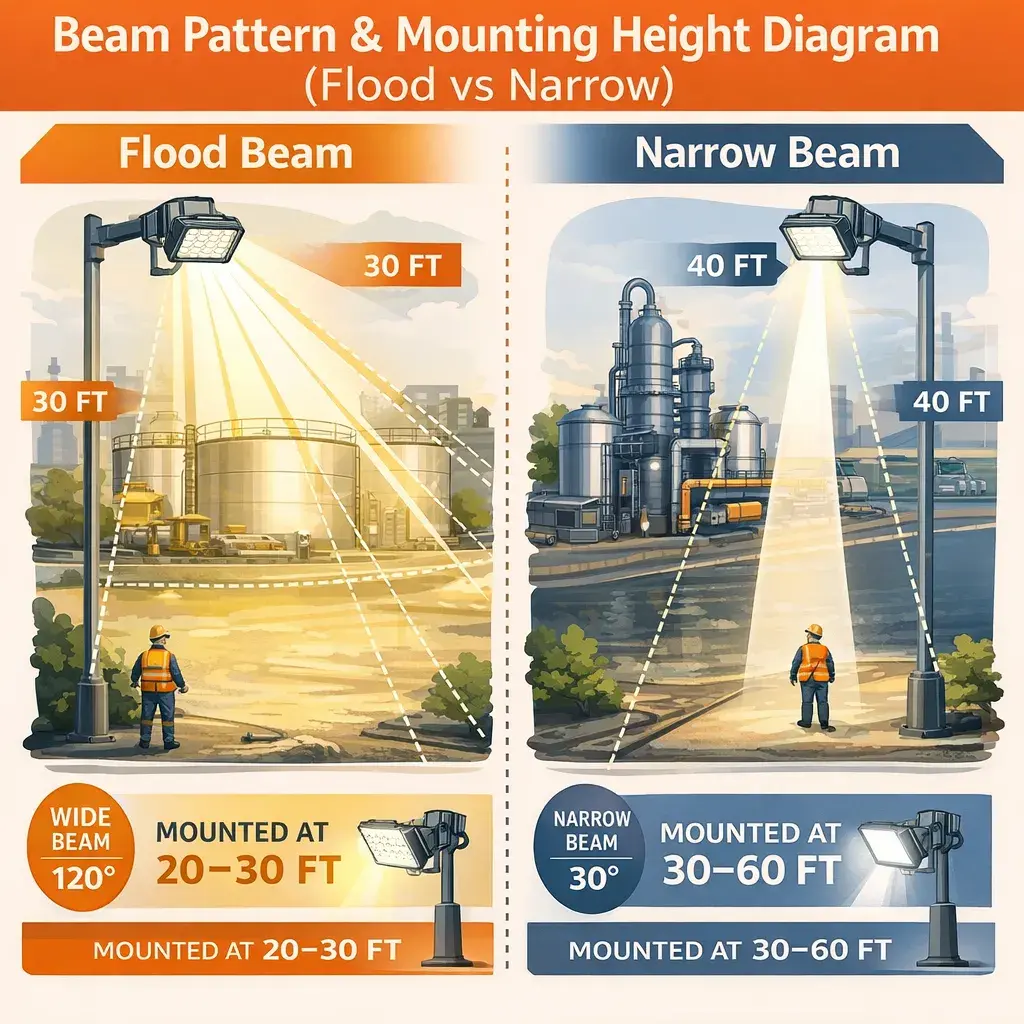
Mounting height & method (wall, pole, bracket, structure)
-
Beam requirement (wide area vs focused)
-
Power supply (voltage/frequency, surge environment)
-
Quantity + layout (drawing or marked-up plan)
-
Compliance needs (IEC 60079 basis, and whether 3C/CCC is required)
Browse models by type first:
Brand homepage reference: Ex-ZS
Final Practical Advice;
In refineries, the smartest lighting decision is the one that stays compliant, stays sealed, and stays working—while minimizing how often people must intervene under permit constraints.
For the full selection workflow, read the pillar guide:
→ The Ultimate Guide to Selecting Explosion-Proof Lighting for Hazardous Areas