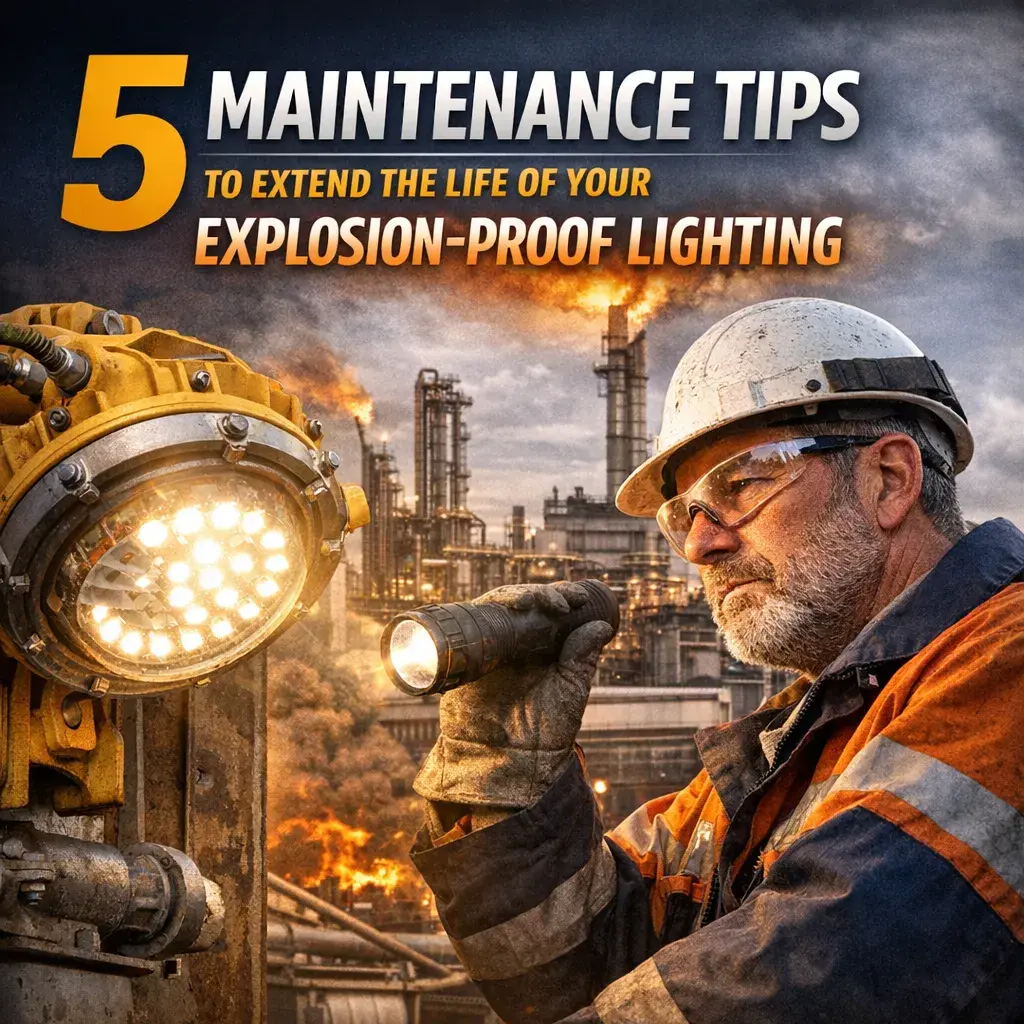
5 Maintenance Tips to Extend the Life of Your Explosion-Proof Lighting

Introduction
(From a 20-Year Hazardous Area Electrical Engineer)
I’ve worked in oil fields, chemical plants, and dust-heavy facilities for over two decades. If there’s one uncomfortable truth I’ve learned, it’s this:
Most explosion-proof lighting doesn’t fail because it’s badly made. It fails because nobody maintains it properly.
And when it fails, it doesn’t just go dark—it creates risk.
If you’re still deciding what type of lighting to use, start here first:
👉 https://ex-zs.com/blog/the-ultimate-guide-to-selecting-explosion-proof-lighting-for-hazardous-areas/
But if you already have installations in place, these are the five maintenance practices that actually make a difference.
Why Maintenance Is Not Optional (And Why Most Teams Get It Wrong)
I once worked on a project in Southeast Asia—a palm oil processing plant.
They had invested in decent explosion-proof LED lights. On paper, everything was compliant. But within 18 months, over 30% of the fixtures had issues.
The cause?
Not product quality.
Not environment.
Zero maintenance plan.
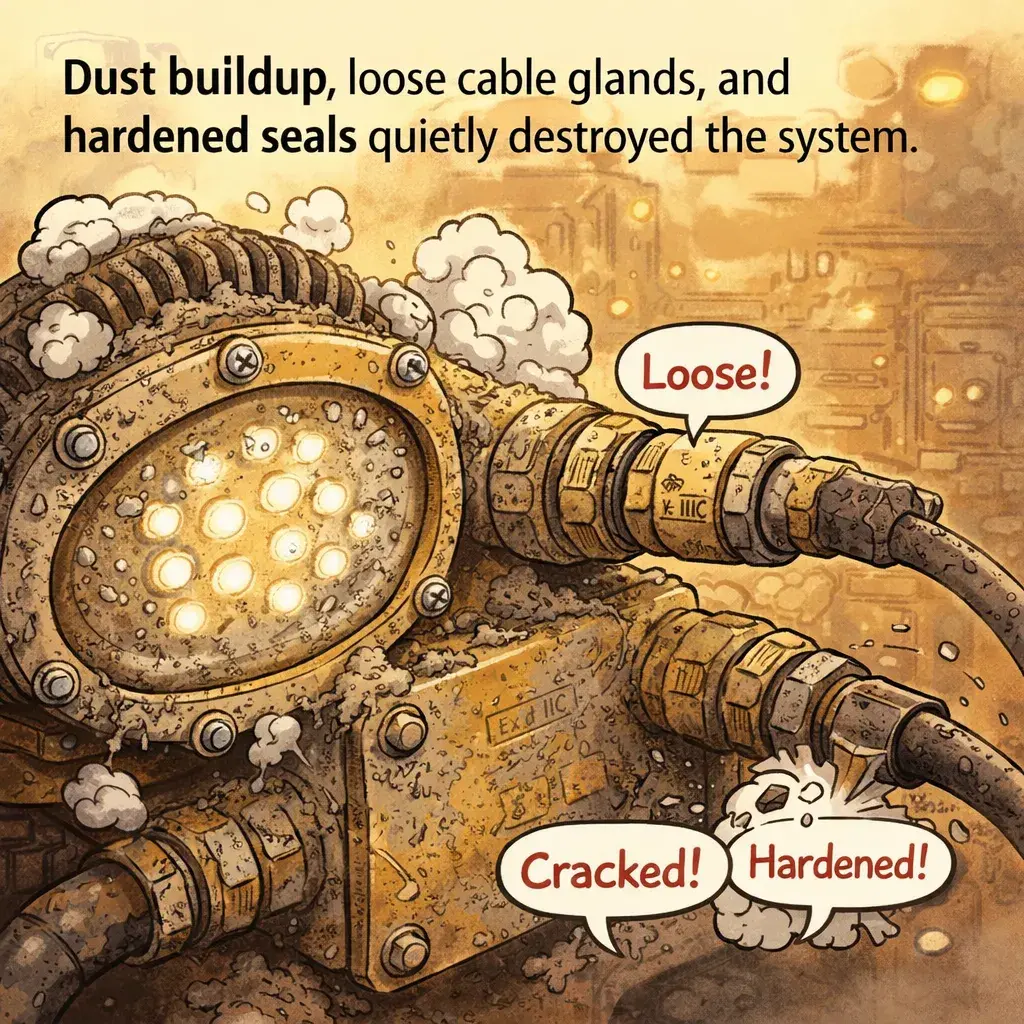
Dust buildup, loose cable glands, and hardened seals quietly destroyed the system.
This is the reality:
Explosion-proof lighting is not “install and forget.” That mindset is what causes failure.
Tip 1 – Don’t Skip Visual Inspections (Even If Everything “Looks Fine”)
One of my clients in the Middle East told me:
“We only check when something stops working.”
That’s already too late.
A proper inspection should catch:
-
Early-stage corrosion
-
Micro-cracks in housing
-
Loose mounting bolts
-
Seal displacement
I’ve personally seen a fixture fall from a structure—not because of overload, but because two bolts loosened over time and nobody checked.
And here’s my blunt opinion:
If your team doesn’t have a scheduled inspection routine, you don’t have a lighting system—you have a ticking problem.
Tip 2 – If It’s Dirty, It’s Already Failing
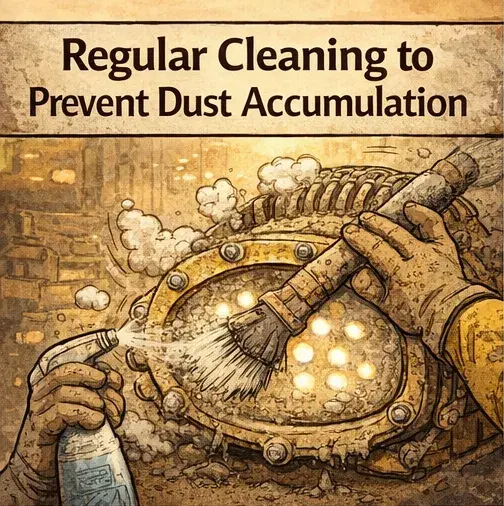
I don’t care how advanced your LED is—if it’s covered in dust or oil, it’s overheating.
In a grain facility I worked with, we opened a fixture that had been running for 2 years. The heat sink was completely clogged. The internal driver had already started degrading.
They thought LED = maintenance-free.
That assumption cost them an entire batch replacement.
In high-dust environments:
-
Monthly cleaning is not “recommended”—it’s necessary
-
In extreme cases, every 2 weeks
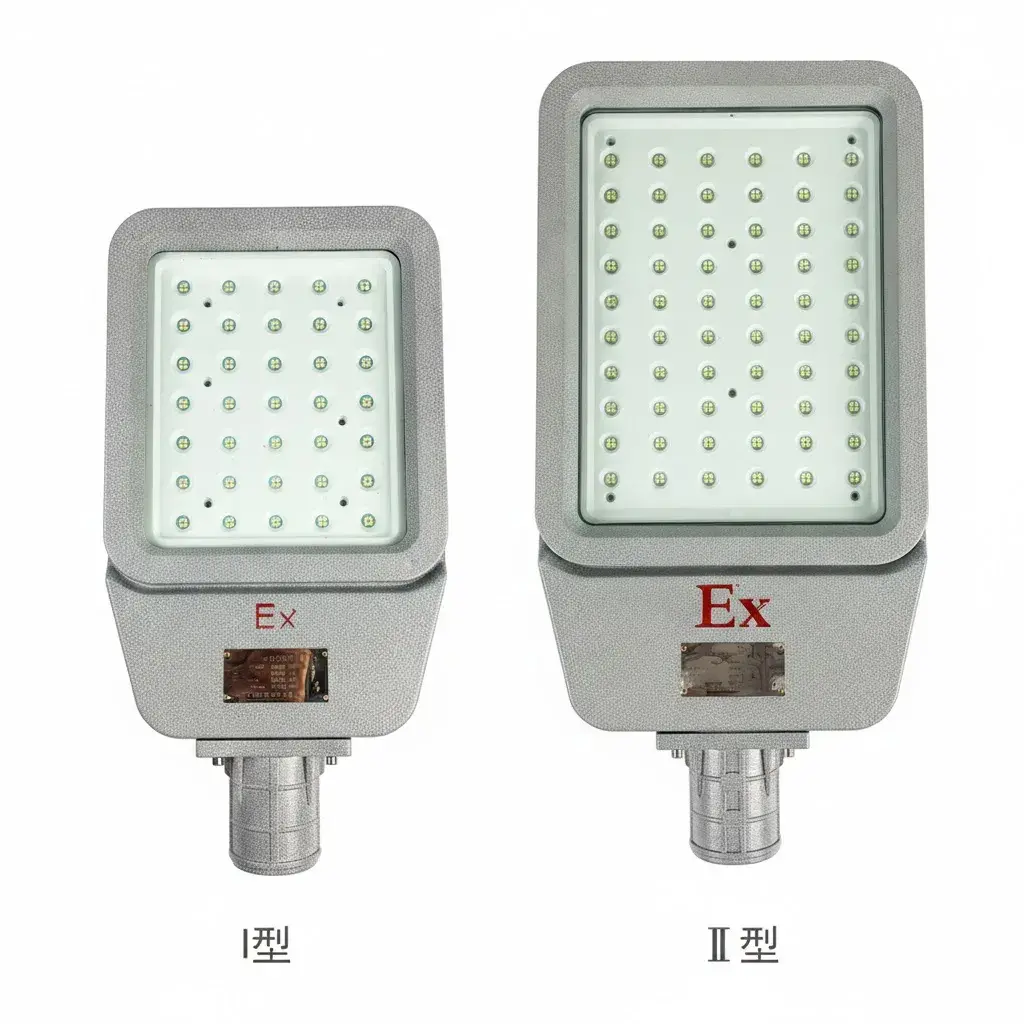
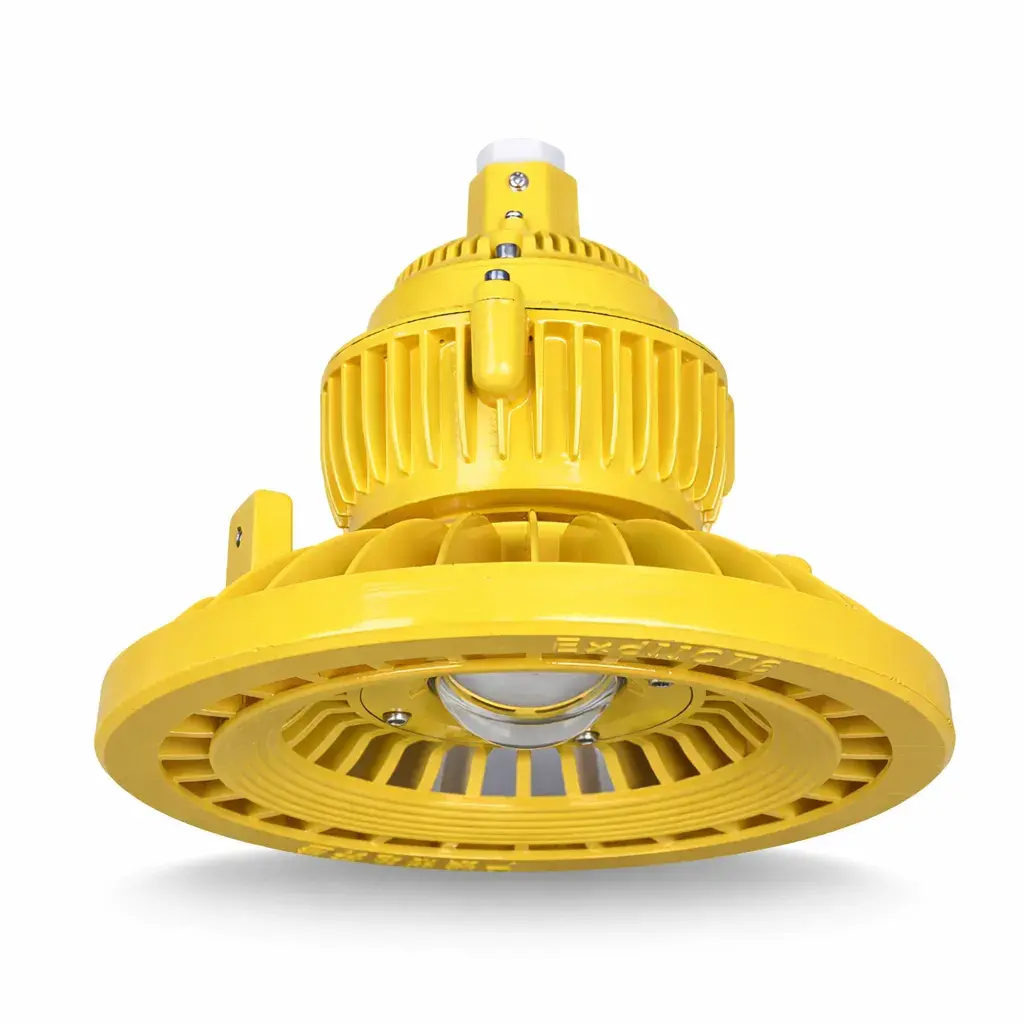
Especially for floodlights like:
BAT-M Series LED Floodlight
BAT97 LED Floodlight
These rely heavily on thermal performance. Block the fins, and you kill the product early.
Tip 3 – Cable Entries Are the Weakest Point (And Most People Ignore Them)
Let me be very direct here:
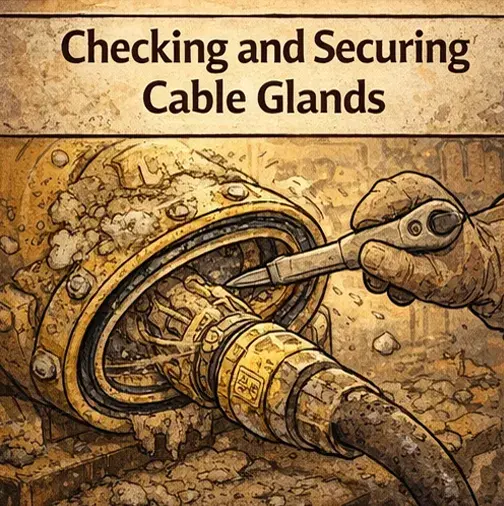
70% of explosion-proof failures I’ve seen start at the cable entry—not the fixture.
Loose glands. Wrong thread. Missing seals.
One time in a chemical plant, a contractor replaced a certified gland with a cheaper local one. Looked identical.
It wasn’t.
The sealing failed, moisture entered, and within months the fixture was compromised.
If you remember only one thing from this article, remember this:
-
Always use certified cable glands
-
Always check tightness
-
Never mix components casually
Explosion protection is a system—not a label.
Tip 4 – Internal Electrical Issues Kill More Fixtures Than External Damage
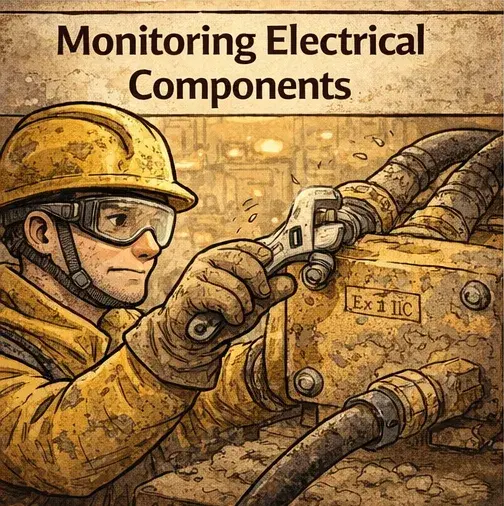
People focus too much on the outer housing. That’s only half the story.
Inside, I’ve seen:
-
Burnt terminals
-
Loose wiring
-
Drivers damaged by unstable voltage
Especially in markets with inconsistent power supply, this becomes a serious issue.
This is also where product quality starts to matter.
I’ve worked with different brands over the years, and one thing I’ve learned is:
A strong enclosure is useless if the internal design is weak.
That’s why when clients ask me for reliable solutions, I usually point them to manufacturers who understand both aspects—like
Not just metal boxes, but complete systems.
Tip 5 – Replace Before Failure, Not After
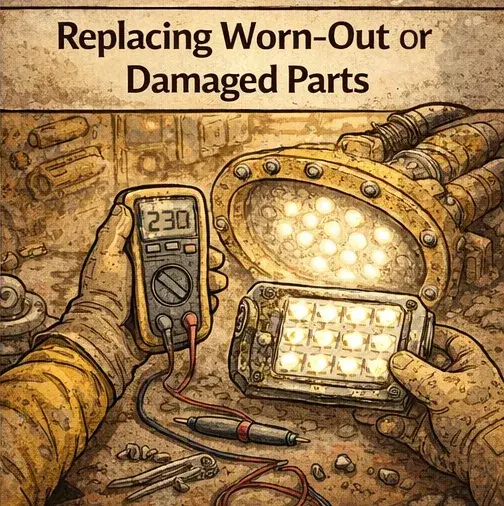
This is where most companies lose money.
They wait until failure.
Then they rush.
Then they overpay.
Then they compromise.
LED explosion-proof lights don’t suddenly die—they degrade:
-
Brightness drops
-
Heat increases
-
Seals age
If you see flickering or noticeable lumen loss, don’t wait.
Replace it.
For example:
-
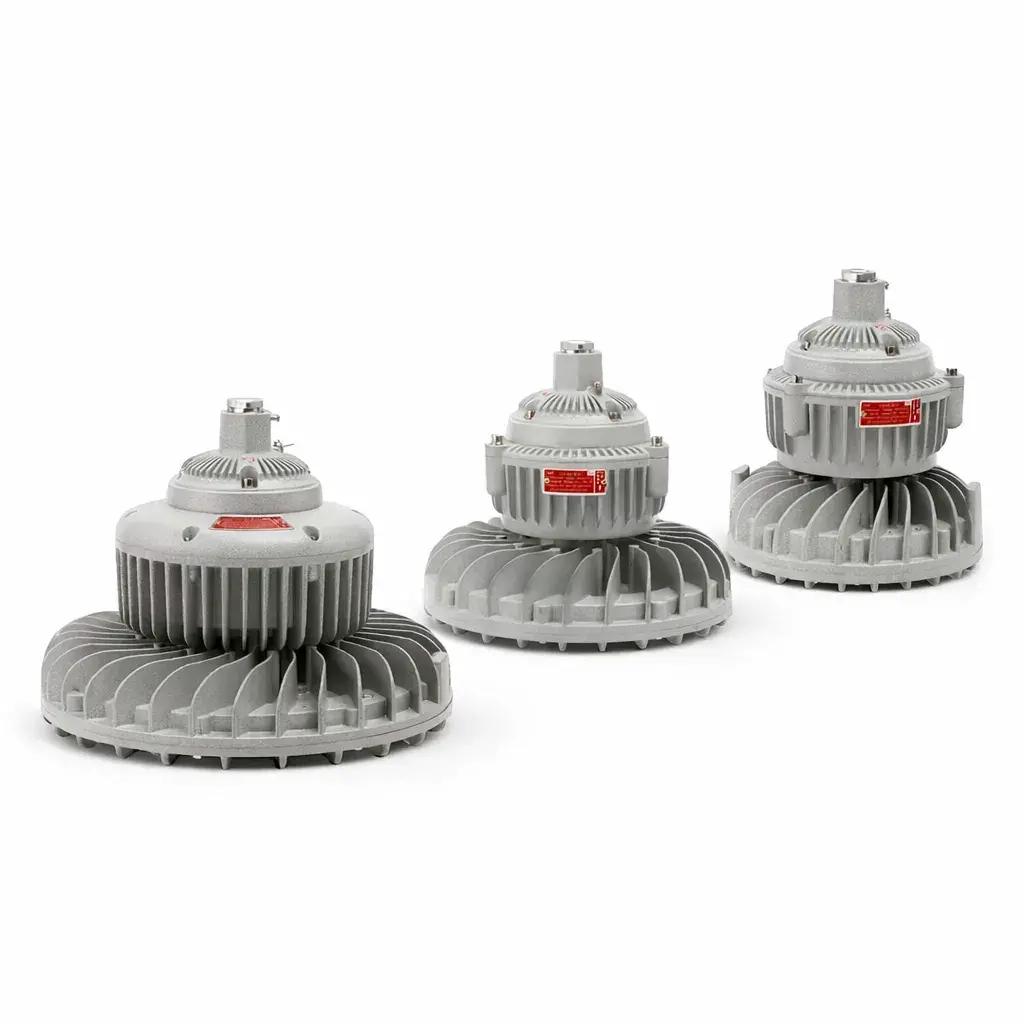
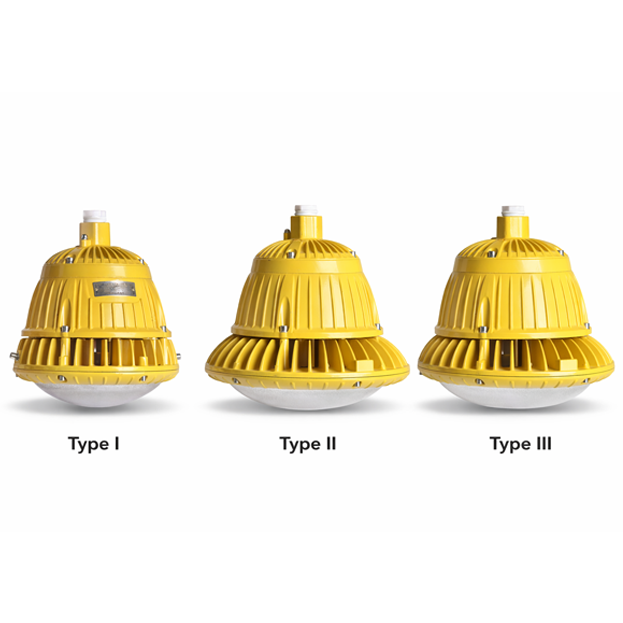
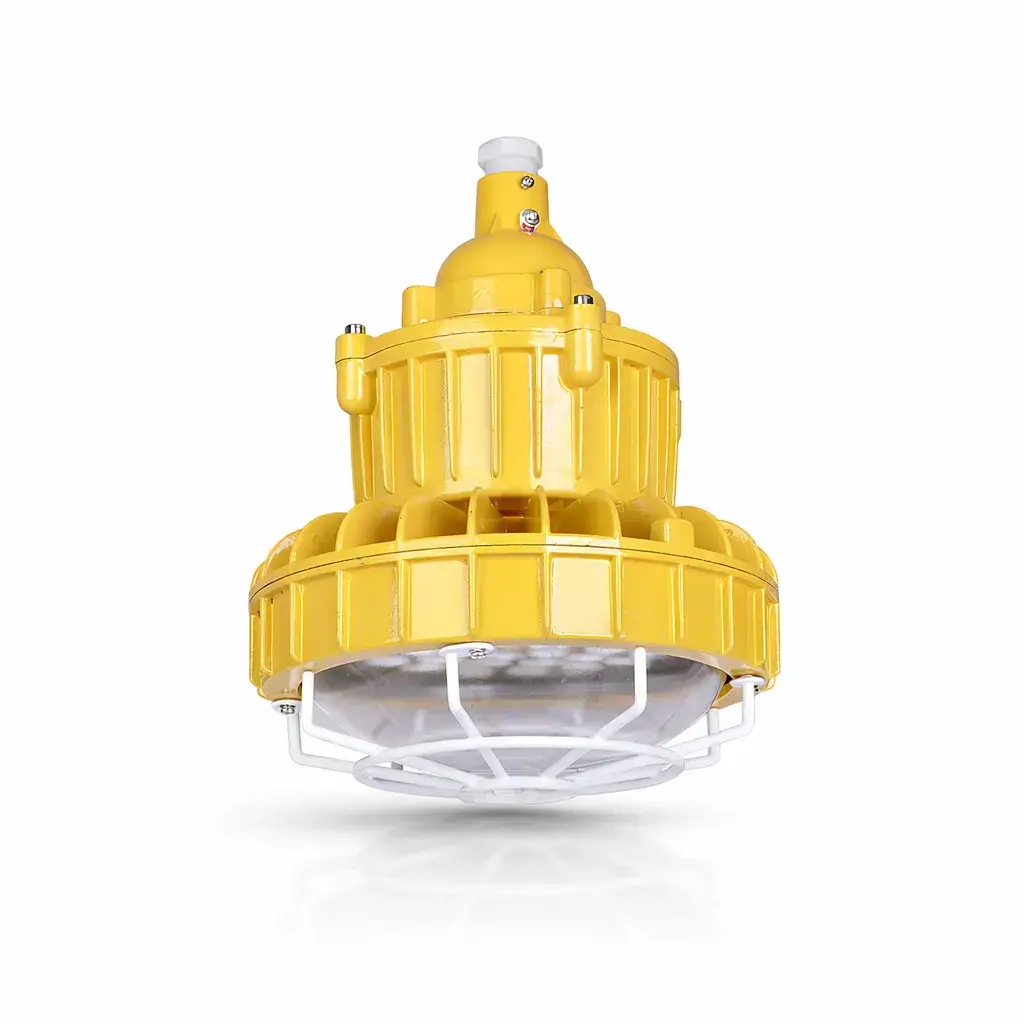
General applications:BAT-82 Series LED Floodlight
-
Compact installations:BAT85 LED Floodlight
-
Heavy-duty environments:BAT87 LED Floodlight
The Most Common Mistake I See (And It’s Not Technical)
It’s mindset.
People assume:
“It’s explosion-proof, so it must be durable.”
Yes, it is durable.
But it’s not invincible.
Skipping maintenance is like buying a truck and never changing the oil.
It won’t fail immediately.
But when it does, it will be expensive—and avoidable.
When I Tell Clients to Stop Repairing and Just Replace
I’m not always in favor of replacement. But sometimes it’s obvious.
If:
-
You’ve repaired the same fixture more than twice
-
Corrosion is visible on structural parts
-
Maintenance cost is stacking up
Then stop.
Upgrade.
Modern LED solutions are simply better—more efficient, better thermal design, and lower long-term cost.
You can see the full range here:
Final Thought (From Someone Who’s Seen Too Many Failures)
If you do maintenance right, even an average product can last.
If you ignore it, even the best product will fail.
Simple as that.
And if you want to avoid problems from the start, go back and choose the right solution properly:
👉 https://ex-zs.com/blog/the-ultimate-guide-to-selecting-explosion-proof-lighting-for-hazardous-areas/